
Advanced Agricultural Solutions: Protecting Crops and Maximizing Yields
Modern agriculture is facing increasing challenges such as climate change, pest infestations, water scarcity, and declining soil fertility. To ensure sustainable food production and higher farm profitability, farmers must adopt advanced farming solutions and smart farming techniques. This comprehensive guide explores modern technologies and practices that help protect crops, improve yields, and promote long-term sustainability.
Precision Agriculture: Smart Farming for Higher Efficiency
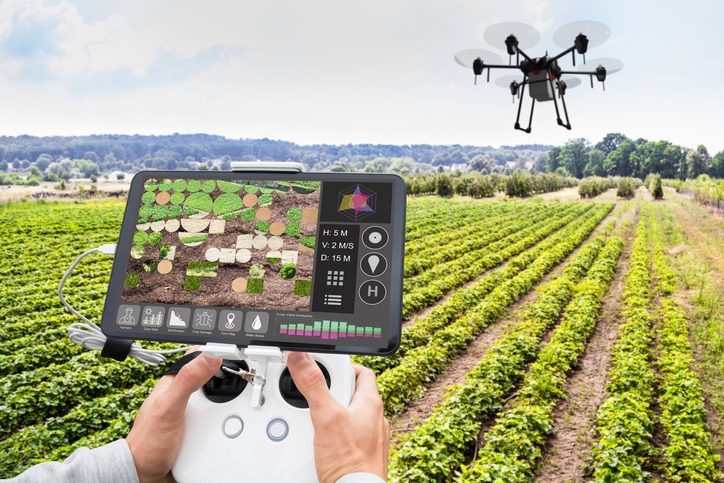
Precision agriculture uses technologies like GPS mapping, drones, and IoT sensors to monitor crop health, soil moisture, and nutrient levels in real time. This data-driven approach allows farmers to make informed decisions about resource allocation.
Benefits of Precision Agriculture:
- Targeted use of fertilizers and pesticides
- Reduced input costs and wastage
- Improved crop productivity and soil health
By applying inputs only where needed, farmers can achieve better results with fewer resources, making farming more sustainable and profitable.
Biological Pest Control: Sustainable Crop Protection
Excessive chemical pesticide use can harm beneficial insects and soil health. Biological pest control offers an eco-friendly alternative by using natural predators such as ladybugs, parasitic wasps, and beneficial microbes to keep pest populations in check.
Additional Techniques:
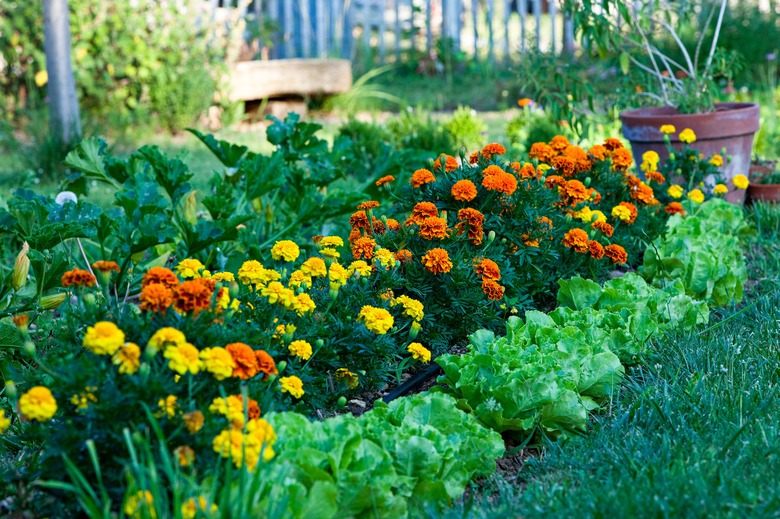
- Companion planting (e.g., marigolds with vegetables)
- Natural repellents and bio-pesticides
- Integrated pest management strategies
These methods help control pests while maintaining ecological balance and protecting the environment.
Climate-Resilient Crops: Farming for Changing Weather
Unpredictable weather conditions make climate-resilient crop varieties essential. These crops are specifically designed to tolerate drought, heat, flooding, and disease pressure, ensuring stable yields even in challenging conditions.
Best Practices to Combine:
- Crop rotation to maintain soil health
- Cover cropping to prevent erosion
- Conservation tillage to preserve soil structure
Together, they improve soil structure, reduce erosion, and enhance overall farm resilience to climate variability.
Smart Irrigation Systems: Save Water, Save Crops
Smart irrigation systems use sensors and weather data to optimize water delivery precisely when and where crops need it. This technology is revolutionizing how farmers manage one of their most critical resources.
Key Advantages:
- Reduce water usage by up to 50%
- Prevent root diseases caused by overwatering
- Improve crop uniformity and growth patterns
- Lower operational costs significantly
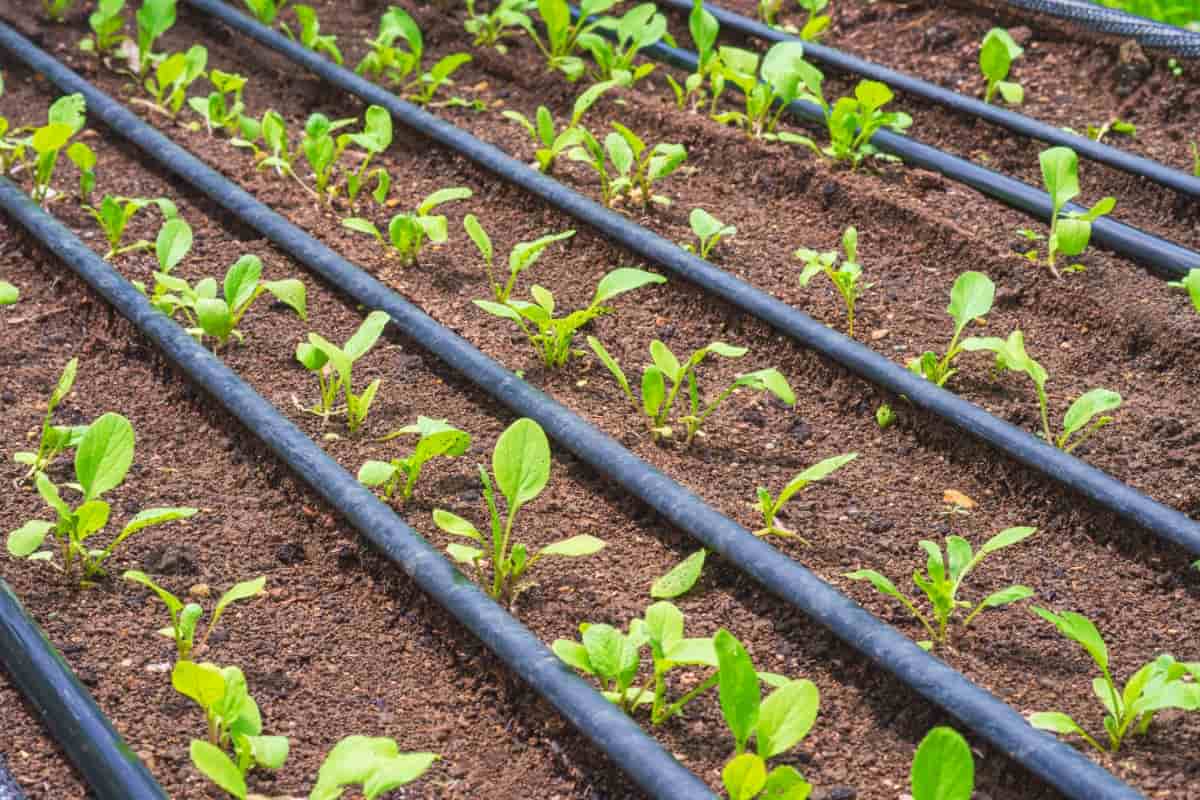
Drip irrigation and automated sprinklers are especially effective for water-scarce regions, making smart irrigation essential for sustainable agriculture.
Renewable Energy in Agriculture
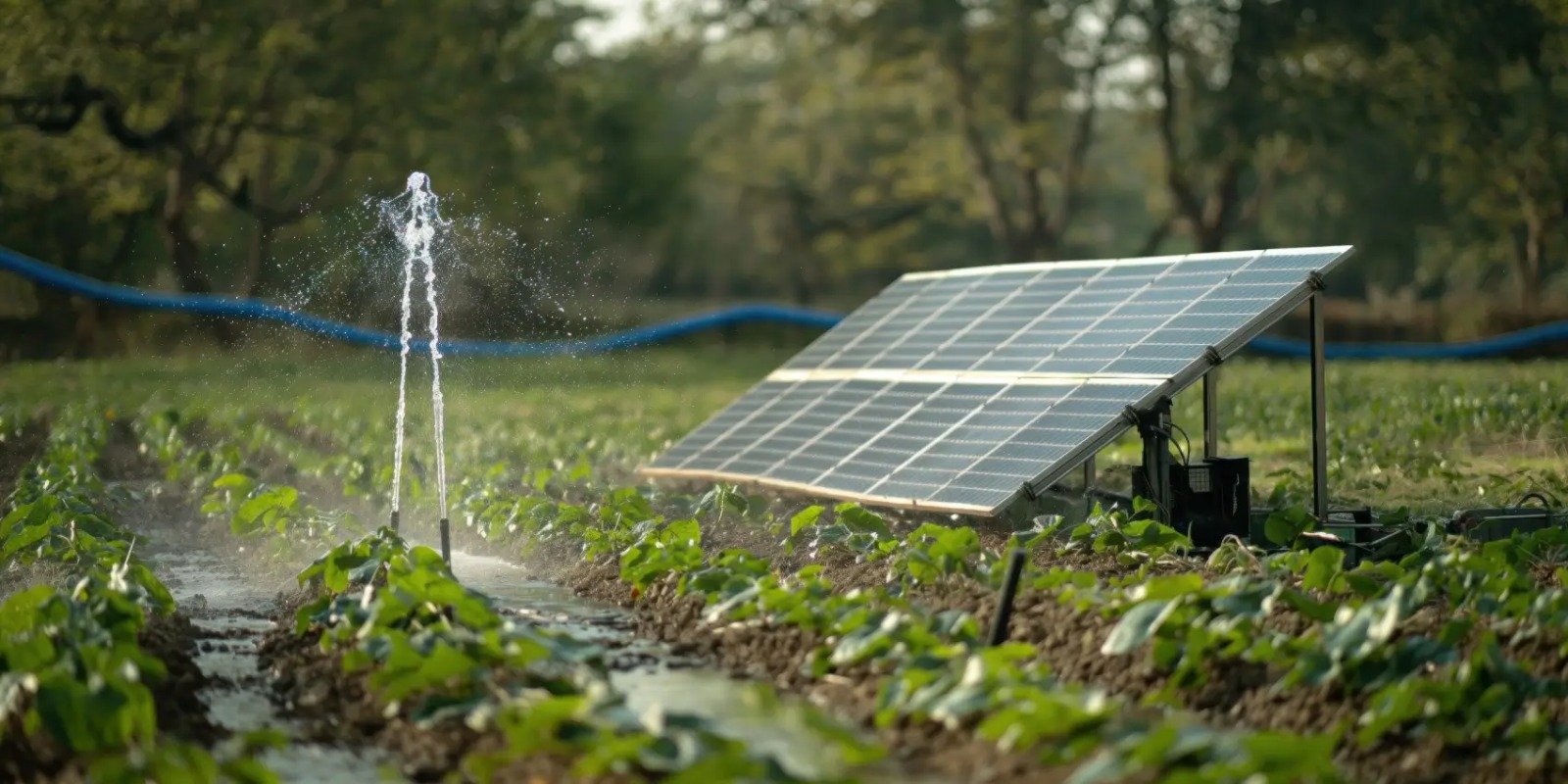
Using solar and wind energy reduces dependency on fossil fuels and significantly lowers operational costs. Many farms are transitioning to renewable energy to improve sustainability and profitability.
Common Applications:
- Solar-powered irrigation pumps
- Renewable energy for cold storage facilities
- On-farm electricity generation
- Battery storage systems for energy backup
Renewable energy supports both sustainability goals and farm profitability, making it a win-win investment for modern farmers.
Post-Harvest Technologies: Reduce Losses and Preserve Quality
Post-harvest losses significantly impact farmer income and food security. Modern technologies help preserve crop quality and extend shelf life, ensuring better prices and reduced waste.
Key Technologies:
- Cold storage facilities to maintain freshness
- Moisture detection systems to prevent spoilage
- Improved packaging solutions for better transport
- Temperature and humidity monitoring systems
These technologies help farmers minimize losses and maximize their returns on investment, directly contributing to farm profitability.
Conclusion
Adopting advanced farming solutions is no longer optional—it is essential for modern agriculture. By integrating smart technologies, sustainable practices, and digital platforms like Kisaanyard, farmers can protect their crops, increase yields, reduce costs, and secure a more sustainable and profitable future.
The agriculture industry is evolving rapidly. Farmers who embrace these advanced solutions today will be better positioned to thrive in an increasingly challenging agricultural landscape. Kisaanyard supports farmers in accessing these solutions and connecting with the right resources for their farming journey.