
Rainwater Harvesting in Farming: A Sustainable Solution for Water Conservation
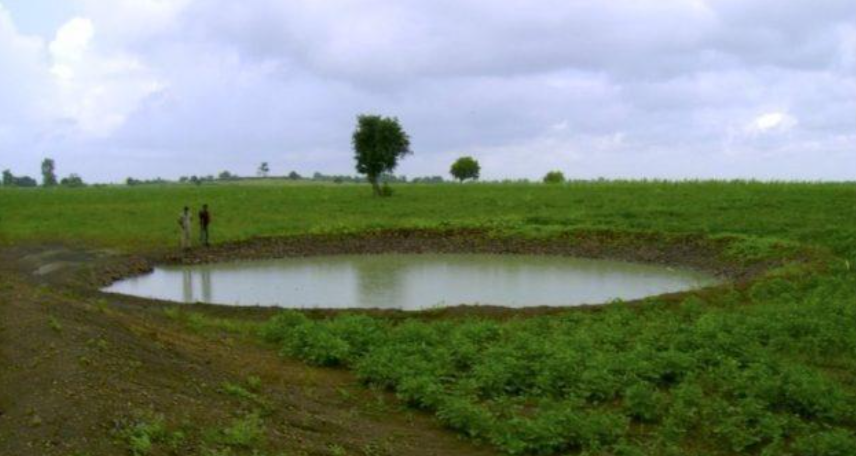
Water is the lifeblood of agriculture, and its efficient management is crucial for ensuring food security and sustainability. With climate change, erratic rainfall, and depleting groundwater levels posing significant challenges, rainwater harvesting has emerged as a vital solution to enhance water availability in farming. By collecting and storing rainwater, farmers can mitigate water scarcity, improve irrigation efficiency, and ensure agricultural resilience.
Understanding Rainwater Harvesting
Rainwater harvesting (RWH) is the process of collecting, storing, and utilizing rainwater for agricultural purposes. It involves capturing rainwater from rooftops, open fields, and natural catchment areas and directing it into storage structures such as ponds, reservoirs, underground tanks, and check dams. The stored water can be used for irrigation, livestock watering, and groundwater recharge, reducing dependency on erratic rainfall and depleting groundwater resources.
Types of Rainwater Harvesting Systems in Farming
- Rooftop Rainwater Harvesting
Involves collecting rainwater from the roofs of farm buildings and channeling it into storage tanks.
Suitable for small-scale farmers and greenhouse agriculture.
Helps in meeting water needs for irrigation, drinking water for livestock, and domestic use. - Surface Runoff Harvesting
Involves capturing rainwater from open fields and directing it to farm ponds, percolation tanks, and reservoirs.
Helps in recharging groundwater and ensuring a steady supply of water for irrigation.
Reduces soil erosion and nutrient loss from farmland. - Check Dams and Percolation Pits
Constructed across small streams and gullies to slow down water flow and allow percolation into the ground.
Helps in recharging aquifers and maintaining soil moisture levels.
Prevents flash floods and enhances water availability during dry periods. - Contour Bunding and Trenches
Contour bunds and trenches are built along the natural contours of sloping land to capture and store rainwater.
Reduces surface runoff, improves soil moisture, and enhances crop productivity.
Particularly effective in hilly and semi-arid regions.
Benefits of Rainwater Harvesting in Farming
- Water Conservation and Availability
Provides a reliable source of water for irrigation during dry spells.
Reduces dependence on groundwater and minimizes the risk of depletion.
Enhances water availability in water-scarce regions. - Improved Crop Yield and Productivity
Ensures a steady water supply, leading to better crop growth and higher yields.
Reduces the impact of droughts and erratic rainfall on farming.
Promotes the cultivation of multiple crops in different seasons. - Soil Conservation and Reduced Erosion
Prevents soil erosion by reducing surface runoff and waterlogging.
Retains soil moisture, improving soil fertility and productivity.
Enhances microbial activity and organic matter content in the soil. - Cost-Effective and Sustainable Farming
Reduces the cost of irrigation by minimizing the need for expensive borewells and pumps.
Decreases reliance on chemical fertilizers by improving soil health naturally.
Promotes sustainable and eco-friendly agricultural practices. - Groundwater Recharge and Environmental Benefits
Helps in replenishing groundwater levels and maintaining ecological balance.
Reduces the risk of water scarcity and supports long-term agricultural sustainability.
Contributes to biodiversity conservation by maintaining wetlands and water bodies.
Successful Rainwater Harvesting Models in Agriculture
- The Pani Panchayat Model (India)
A community-based water management system in Maharashtra that emphasizes equitable water distribution.
Farmers share harvested rainwater based on landholding size, ensuring fair and efficient utilization.
Has improved agricultural productivity and promoted social harmony. - The Tarun Bharat Sangh Initiative (Rajasthan, India)
Led by environmentalist Rajendra Singh, this initiative has revived traditional water harvesting structures (Johads) in Rajasthan.
Has led to the revival of rivers, increased groundwater levels, and improved agricultural output.
Demonstrates the power of community-driven water conservation efforts.
Challenges and Solutions in Implementing Rainwater Harvesting
- High Initial Investment and Infrastructure Development
Solution: Governments and NGOs should provide financial assistance and subsidies to farmers.
Encouraging community participation can help in cost-sharing and collective resource management. - Lack of Awareness and Technical Knowledge
Solution: Conducting training programs and awareness campaigns to educate farmers about RWH techniques.
Providing technical support and field demonstrations to promote adoption. - Climatic and Geographical Constraints
Solution: Adapting rainwater harvesting techniques to suit local climatic conditions and topography.
Developing region-specific models to maximize water conservation and efficiency. - Maintenance and Water Quality Issues
Solution: Regular maintenance of storage structures to prevent contamination and ensure water quality.
Implementing filtration systems to remove sediments and pollutants from harvested rainwater.
The Role of Government and Policies in Promoting Rainwater Harvesting
- Subsidies and Grants: Financial support for constructing water harvesting structures.
- Research and Development: Encouraging innovation in water conservation techniques.
- Legislation and Regulations: Mandating rainwater harvesting in agricultural zones.
- Public-Private Partnerships: Collaborating with private organizations for large-scale implementation.
Conclusion